Curated articles, resources, tips and trends from the DevOps World.

Join Steven Murawski as he explores the impact of DevOps tools like Terraform and Kubernetes on modern software development.
As Kubernetes matures, features such as StatefulSets give the ecosystem new capabilities that allow users to deploy applications that have much different requirements than stateless microservices.
Kubernetes comes pre-packaged with an outstanding CLI. For basic operations, it works wonderfully. Alas, when one needs to do something quickly, complexity increases. The Kubernetes community has built all sorts of web based tooling for monitoring your cluster — kube ops view, grafana etc.
Containerization is a powerful strategy that simplifies DevOps by reducing interdependencies between IT operations and production teams. It refers to a virtual operating system that contains the minimum requirements to run the application independently.
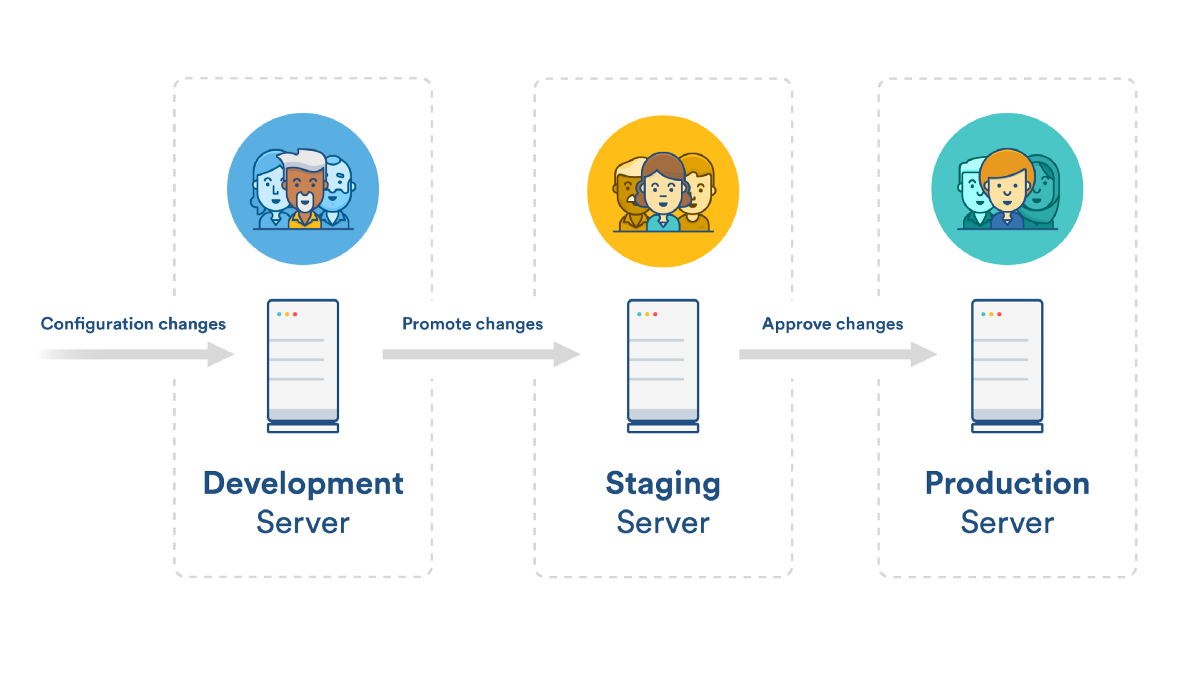
It’s time to dig deep into learning about different developer environments. The easiest and most commonly adopted technique by most people is to work on the master branch in Git or create separate feature branches for different features.
AIOps is the application of analytics and machine learning to automate some aspects of DevOps and IT operations management. Like all new technologies, it may take time to discover the best ways to get practical results. However, AIOps is already showing a lot of promise in three key use cases:
To learn about the current and future state of databases, we spoke with and received insights from 19 IT professionals. We asked, "How have databases changed in the past year or two?" Here’s what they shared with us:
Today, open source communities use a wide range of tools for building and delivering their software. These tools tend to also be open source, but more and more open source communities are starting to see the value of managed, SaaS tools to help support their communities and their goals.
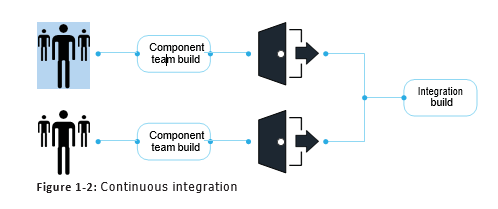
Delivering a software application or system today involves multiple teams of developers working on separate components of the application. Typically, the completed application also needs to interact with other applications or services to perform its functions.
Enterprises don’t own the cloud, just the experience. If there’s an outage or even a hiccup in the performance or network service, it’s on the network and application teams (not the cloud provider) to fix it.
Have valuable insights to share with the DevOps community? Submit your article for publication.

Get the latest DevOps news, tools, and insights delivered to your inbox.
Made with pure grit © 2026 Jetpack Labs Inc. All rights reserved. www.jetpacklabs.com