Curated articles, resources, tips and trends from the DevOps World.

While my last few blog articles have focused more on machine learning and deep learning, I thought it might be a nice change of pace to write about DevOps as it relates to ML and data engineering. After all, without data engineering, machine learning opportunities are limited.
I just read the recent announcements from AWS on their fresh "Open Distro" of Elasticsearch. Statements like "Keeping Open Source Open" and "it has created uncertainty about the longevity of the open source project as it is getting less innovation focus" drew my attention.
Granularity is an essential principle of REST API design. As we understand, business functions divided into many small actions are fine-grained, and business functions divided into large operations are coarse-grained.
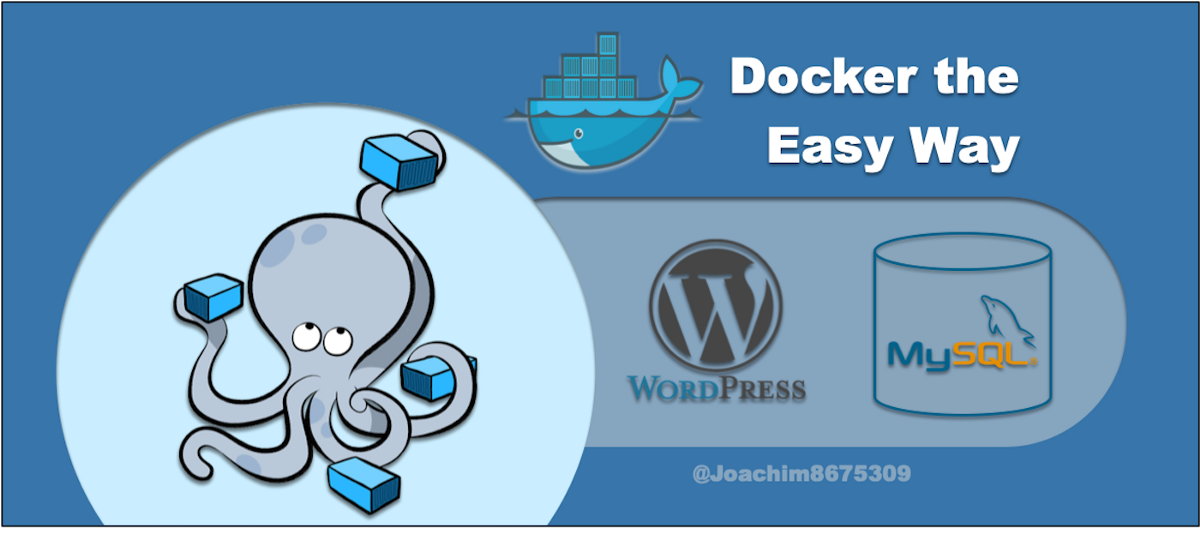
This is the solution for orchestrating docker containers using Docker Compose tool in four stages. In the previous article, we started with a very basic docker-compose.yml script. Now we will fill this out.
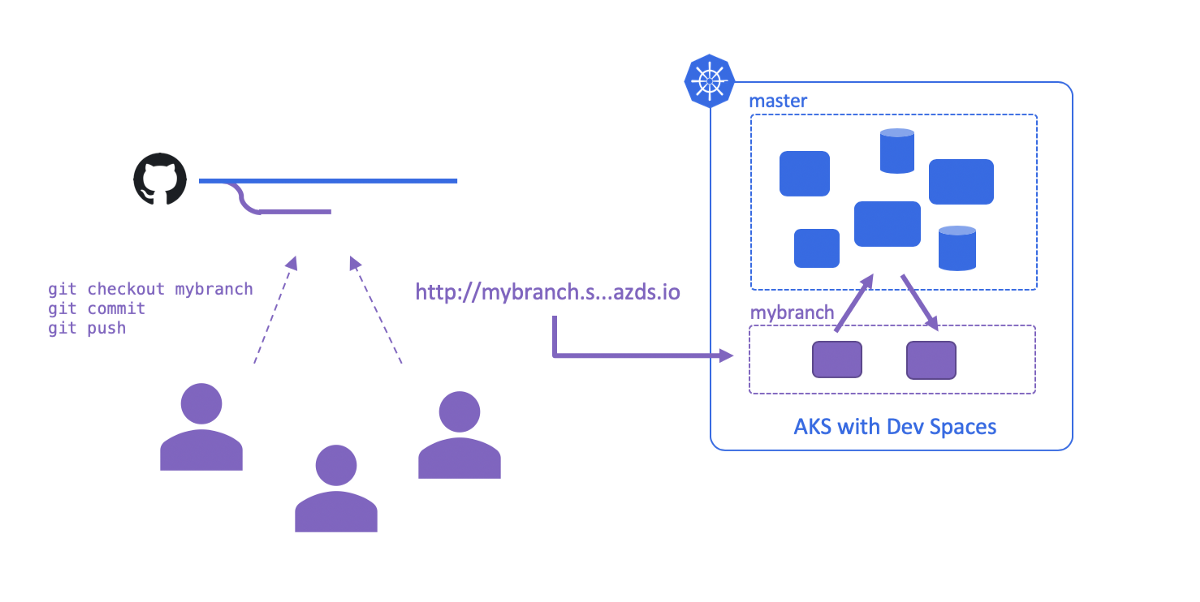
Development teams often collaborate in feature branches and pull requests. When finishing feature branches, developers submit pull requests for review before merging into the application’s main branch.
When I check out a repository hosted by the Apache Software Foundation, I check it out inside of ~/apache/. I want to commit to these repositories as my apache.org email address and signed with my GPG key for that address.
Creating a custom container is where things get truly exciting. There's actually a ton of work and knowledge around this. To start with, I'm going to keep it simple. I'm going to create a container with a database & some data and a couple of general customizations.
Let us invite you to the CLI (command-line interface) world.
The way we build and run applications has changed dramatically over the years. Traditionally, apps ran on top of physical machines. Those machines eventually became virtual. In both cases, the application and all its dependencies were installed on top of an OS.
In a previous article I stated the problem requirements for orchestrating Docker containers with WordPress and MySQL containers. Here’s the final solution, with a walk through on using the library and a the solution in full source code.
Have valuable insights to share with the DevOps community? Submit your article for publication.

Get the latest DevOps news, tools, and insights delivered to your inbox.
Made with pure grit © 2026 Jetpack Labs Inc. All rights reserved. www.jetpacklabs.com