Curated articles, resources, tips and trends from the DevOps World.

Selecting a proper technology for a new project is always a stressful event. We need to find something that will fit all existing requirements, does not restrict further growth, allows us to achieve necessary performance, does not put a heavy operational burden, etc.
With a successful TestBash Netherlands and London Tester Gathering Workshops all done and dusted, it should be time to relax in the summer sun. But we can’t just sit around when there is so much awesome learning to share with you all!
Today, most major data centers offer virtual servers for rent with all the necessary IT infrastructure. As a result, small, medium, and even large businesses do not have to buy hardware and cover its servicing and maintenance anymore.
An example of creating a Docker image using Pipelines and pushing the newly created Docker image to AWS ECR. Scenario: You are using an AWS container service and need to build a Docker image to deploy it to.
It’s been a couple of great days at #DevOpsDaysAmsterdam, with a number of insightful keynotes, engaging open space discussions, and chill chats over delicious DevHops beers. The content was good (and I leave for others to recap it), but it was a fuzzy warm feeling that did it for me…
Want to make money? Work smarter, and faster.The real problem is this: Why should you care about how much a delayed release costs you? Maybe you have a “sweet spot” in the way you start your projects or release them. “It just takes that long here.” (That’s the sign of a system impediment.
A common attempt to protect privacy is to truncate dates to just the year.
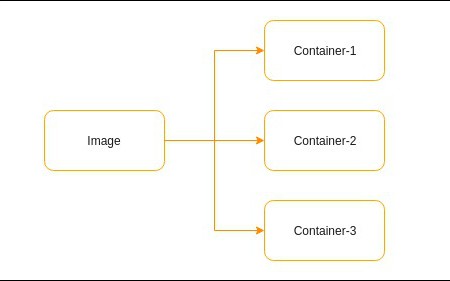
When we work with Docker, it is important to have basic knowledge of docker images and containers. Docker containers are created using docker images. We are going to look into basic commands to create docker containers using images.
The emergence of the cloud and the edge as the new frontiers for computing is an exciting direction—data is now dispersed within and beyond the enterprise, on-premises, in the cloud, and at the edge.
In this post, we will take a look at how we can use Google Cloud Vision from a Spring Boot application. With Google Cloud Vision it is possible to derive all kinds of things from images, like labels, face and text recognition, etc. As a bonus, some examples with Python are provided too.
Have valuable insights to share with the DevOps community? Submit your article for publication.

Get the latest DevOps news, tools, and insights delivered to your inbox.
Made with pure grit © 2026 Jetpack Labs Inc. All rights reserved. www.jetpacklabs.com