Curated articles, resources, tips and trends from the DevOps World.

We look at a simple pattern to introducing developer-driven devops to our team. We want our developers to have direct access & ownership of infrastructure code; but we want to minimize local environment setup and maintenance.
The world of enterprise IT infrastructure is undergoing a paradigm shift and becoming more distributed with IT losing their tight hold on the infrastructure. With containers, microservices architectures, and serverless functions, the needs of modern-day applications are changing.
The industry has seen cutting edge application performance monitoring tools (AppDynamics, NewRelic, Dynatrace…), log analysis tools (DataDog, Splunk,…). These are great tools at detecting the problems. i.e.
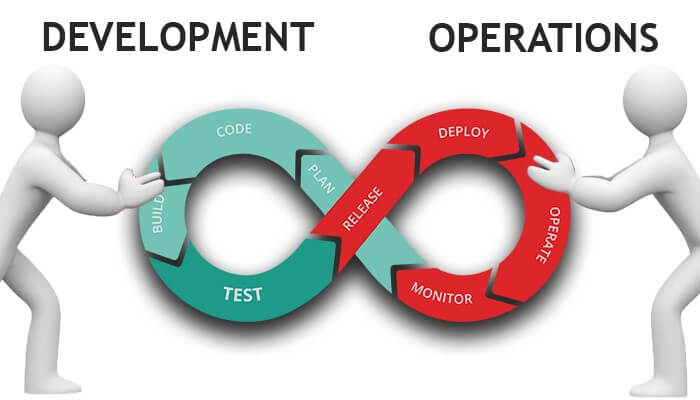
DevOps is here to stay — It is such an efficient way of managing development that it is hard to go back to anything else.
The topic of monorepos is quite popular on the Internet and, as a matter of fact, actively discussed.
Several elements are crucial to an effective and efficient CI/CD workflow. A cloud-native app designed to take advantage of containers and other cloud-native features is certainly one of those elements. A capable cloud infrastructure with containers configured for maximum performance is another.
Back in mid-2017, Java developers everywhere were given access to a preview of the long-awaited v2 of the AWS Java SDK. Time passed.
So, why should they hire you?Over the past decade, DevOps has emerged as a new tech culture and career that marries the rapid iteration desired by software development with the rock-solid stability of the infrastructure operations team.
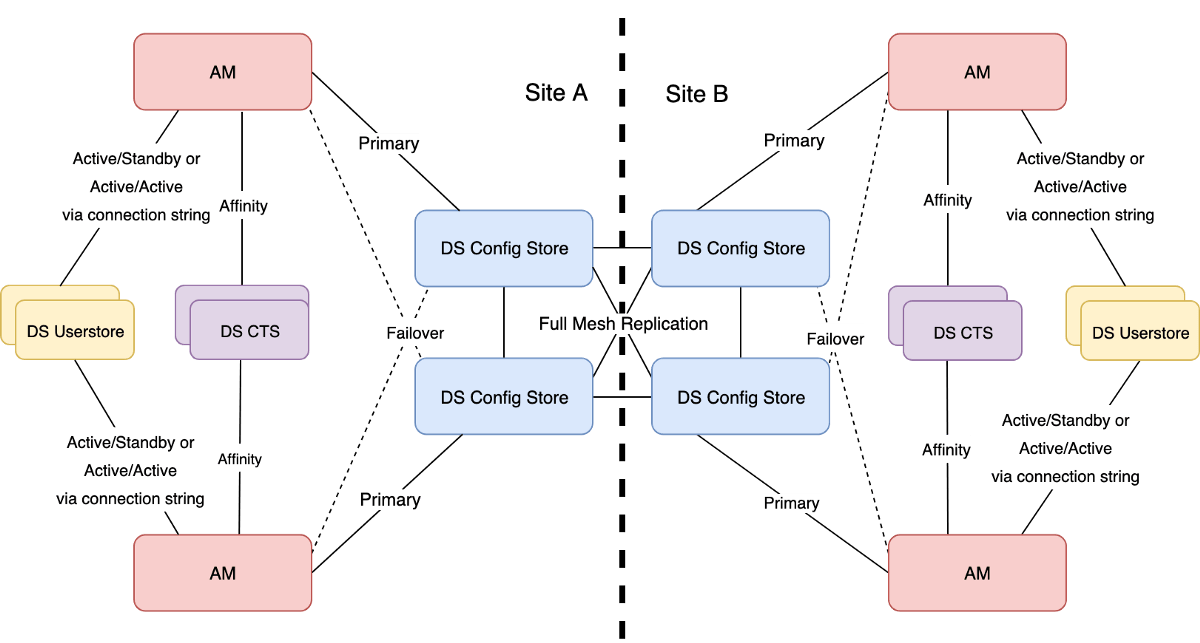
The standard Production Grade deployment pattern for ForgeRock AM is to use replicated sets of Configuration Directory Server instances to store all of AM’s configuration. The deployment pattern has worked well in the past, but is less suited to the immutable, DevOps enabled environments of today.
How should we be playing this API game?When you are in the API game, you hear this phrase a lot, "Didn't we already do that?" It is a common belief system that because something was already done, that means it will not work ever again.
Have valuable insights to share with the DevOps community? Submit your article for publication.

Get the latest DevOps news, tools, and insights delivered to your inbox.
Made with pure grit © 2026 Jetpack Labs Inc. All rights reserved. www.jetpacklabs.com