Curated articles, resources, tips and trends from the DevOps World.

Hello, my sweet readers! Here’s another sweet blog for you! This time it's covering my recent talk at DevFest19 Chennai by GDG Chennai on Sept 21, 2019. In case, you were present and I lost you during the talk or if you missed my talk yesterday, then do read this blog.
You’ve collected your data, cleaned it up diligently, squeezed it into your carefully fine-tuned model and sweated many GPU hours and trained the model. The prediction is State-Of-The-Art! Bravo! But what now?
While it might sound crazy, there are greater benefits when we apply the fundamental principles of Devops in Cooking. Devops in simple terms means the team members on any Software project is expected to work towards a common goal than just confined only to their roles.
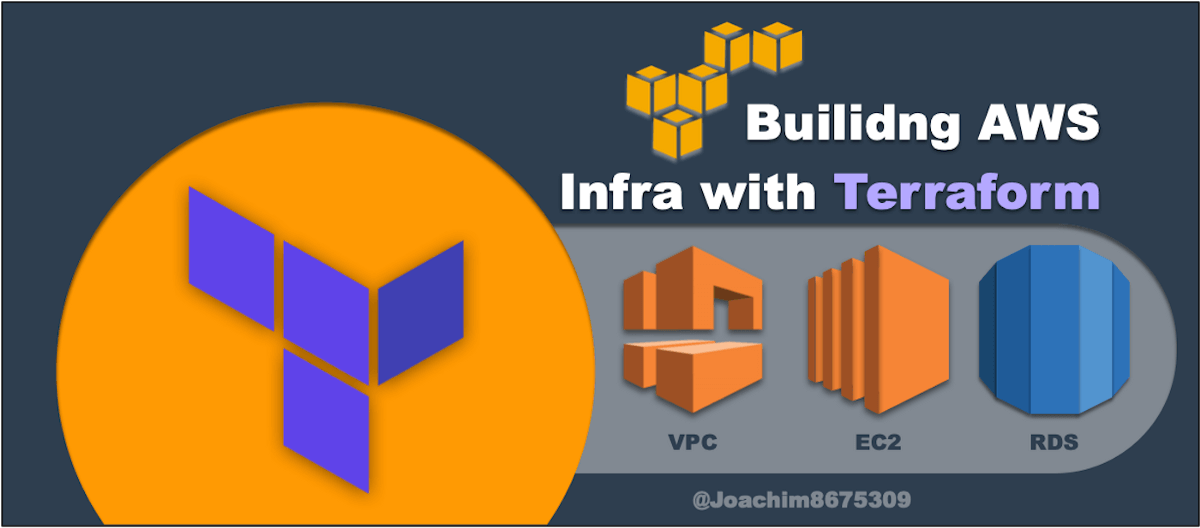
In previous introductory article, I described how to setup the tooling and separating out concerns so that it will be easier to maintain infrastructure code. This article will focus on the infrastructure concern.
From basic Ansible setup and prototyping with vagrant for local virtual server(s). You can create your own playground to learn Ansible. Let’s get started! Welcome aboard…
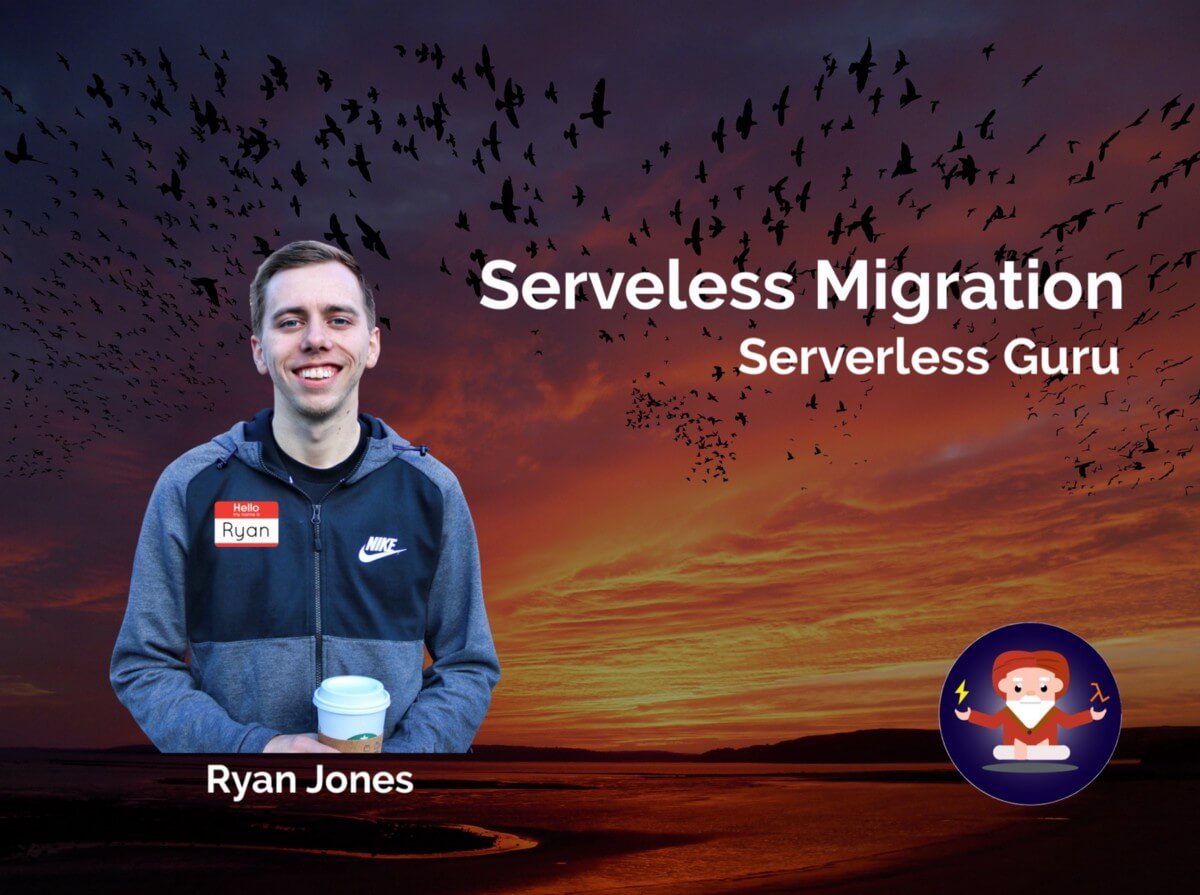
In this series, we take a look at what areas you need to think about when making a “serverless migration”.
Flash back to five years ago. The infrastructure space looks drastically different. Some companies, like the one I worked for at the time, were figuring out how to successfully orchestrate containers at scale. Yet for the majority of businesses, containerization wasn't even on their radar.
Our colleagues over at Devada (DZone's parent company) have just compiled some data from 800 surveyed developers. The survey they launched focused on how developers learn, and I thought I'd share the results with you all.
Your code IS redundant, live with it!This article is about necessary, and unavoidable, code redundancy. We look closer at a model of code redundancy that helps to better understand why source code generators do what they do, and why they are even needed at all. You may also like: Duplication Vs.
1. Set up 2 servers, CI/CD Server and Deployment Server on which App will be deployed. 3. Create a job in Jenkins that clones, installs and builds your project in a docker image (in execute command in Jenkins give Docker build command).
Have valuable insights to share with the DevOps community? Submit your article for publication.

Get the latest DevOps news, tools, and insights delivered to your inbox.
Made with pure grit © 2026 Jetpack Labs Inc. All rights reserved. www.jetpacklabs.com