Curated articles, resources, tips and trends from the DevOps World.

First of all, I would like to thank all of you for your comments, reaching out to me, your congratulations and your thanks to the previous article I have written. You folks rock! Thank you! The article had 5.5K views, read by 2.
DISCLAIMER: This post in based on personal experiences and the situations explained here may not apply in other context. Figures displayed on the examples are just samples for demo purposes, not actual data.
Learn more about deploying your Angular app on GitHub Pages.In this article, I am going to share with you my learnings while I was trying to publish my Angular app on GitHub Pages. I found GitHub Pages to be a very effective yet easy platform for publishing your websites.
With Enterprises increasingly leaning towards agile methodologies and DevOps integration, a smart testing strategy has become critical. The businesses are transforming digitally; they need a robust and full-proof test strategy that will ensure optimal efficiency and decrease software failures.
When I read The Phoenix Project last year, I was smitten. I loved the combination of using fiction to describe how to apply — management and DevOps — theory to true to life situations. So when the publisher asked if I wanted to review the follow-up, I didn’t hesitate.
As introduced in my first post, Saltstack is a python based solution well known for being easily installed. At the time of writing, Saltstack latest version is 2019.2.2. I always prefer using the previous version in production environment, so in the following steps i will be installing the 2018.
The Unicorn Project is the sequel to the ground-breaking book The Phoenix Project. Most people know the story about Bill the IT manager at Parts Unlimited, who is tasked with fixing a derailed IT project or having his IT department outsourced.
First of all, thanks to MuleSoft for reducing and simplifying the steps to configure the Mule OAuth 2.0 policy by using Mule 4 components. To apply the OAuth 2.0 policy, the below configuration needs to be done.
We already know what Ubuntu is. But there are those who have not heard of Nagios. Nagios is a monitoring tool. You can even provide web-based viewing with very small configuration adjustments. Already in this guide, I will talk about them in my article. I will try to explain it under 4 main parts.
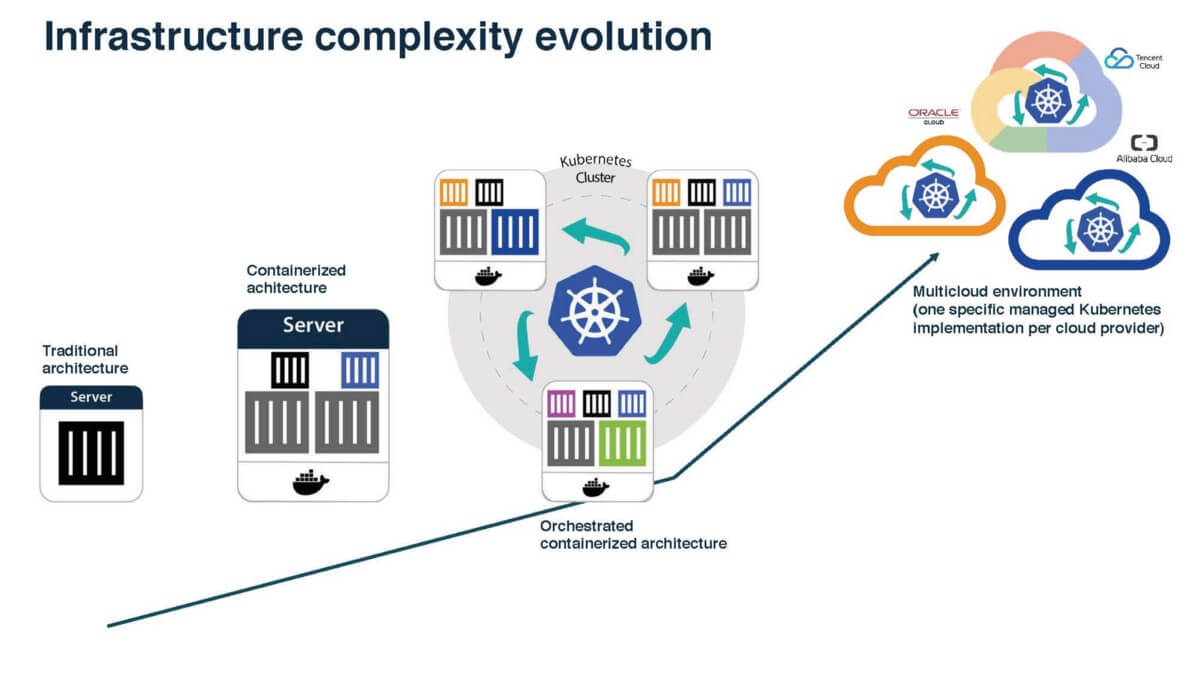
We have now reached a critical point in cloud-based infrastructure evolution where several factors are piling on top of one another, calling for a game changing approach.
Have valuable insights to share with the DevOps community? Submit your article for publication.

Get the latest DevOps news, tools, and insights delivered to your inbox.
Made with pure grit © 2026 Jetpack Labs Inc. All rights reserved. www.jetpacklabs.com