Curated articles, resources, tips and trends from the DevOps World.

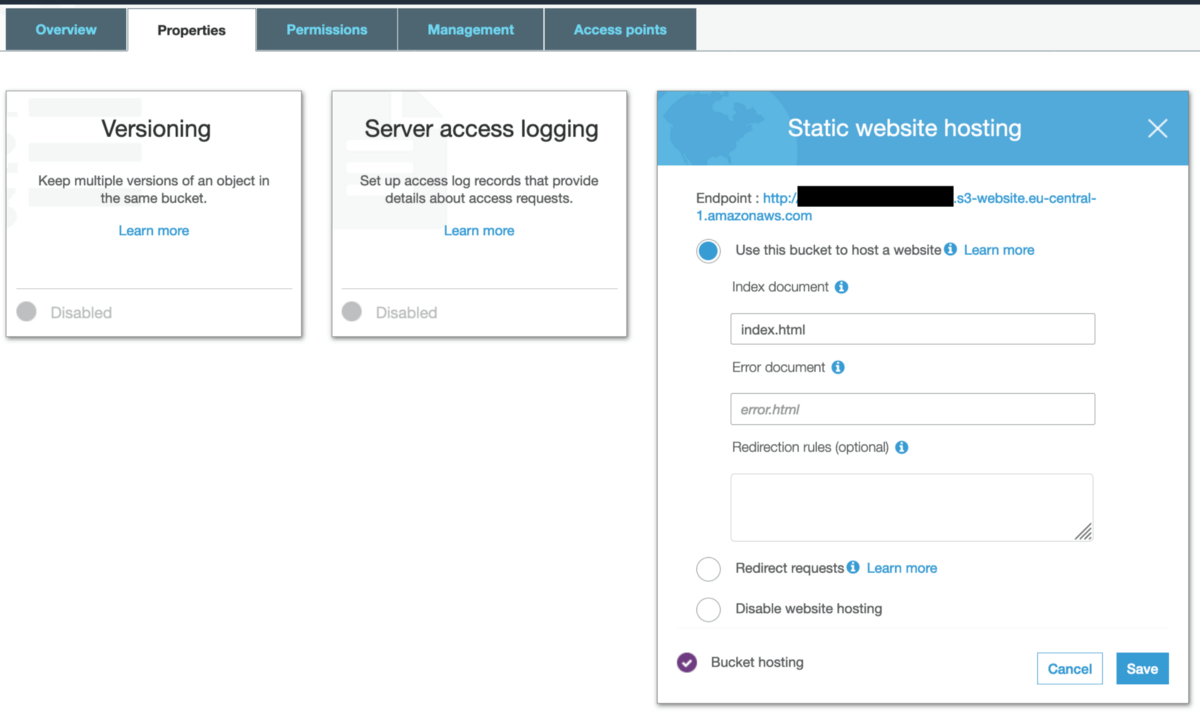
As a DevOps often I am introduced to a dilemma: costs optimization and security requirements. And it’s good cause it often leads to some creative solutions. One of them is for costs optimization to serve static files in s3.
I recently did a two-hour webinar dedicated to chaos engineering and got a lot of great questions from the audience. In this mini-series of posts, I will take some time to answer them. If you missed the webinar, you can access it on-demand from the link below.
In the corporate structure today, project management software is of utmost importance. It helps project managers and teams to meet various requirements.
Every organization is embracing DevOps to one degree or another. The business impact of shipping software quickly and adapting to market needs is so immense that it has become a requirement—you’re either heading toward DevOps or heading toward bankruptcy.
If there’s one thing I hear too often when people speak about DevOps, it’s that the term itself is too broad to have any practical implications. I agree with you, we need to break down DevOps into bite-size chunks and tackle the Software Development Lifecycle one step at a time.
Web developers, testers, and ops need to run scripts or check logs on a server. They probably use docker or another virtualization tool for the local environment. In some cases, the same settings and virtualization are used in the test and production environments.
In a previous article, I wrote about how we can look to inject quality early into the container lifecycle. In that article, I focused on linting Dockerfiles. I planned to expand further on how we can leverage available open-source tools to improve the security of containers.
Cyber attacks, misconfiguration, and data leaks are more common than ever before, as are cybercriminals.
If you work in web development, you probably use Docker as a virtualization tool. There is also a high probability that the same images your team use locally are used in stage or production. Probably your stage/production uses HTTPS communication. In that case, you need Docker with HTTPS.
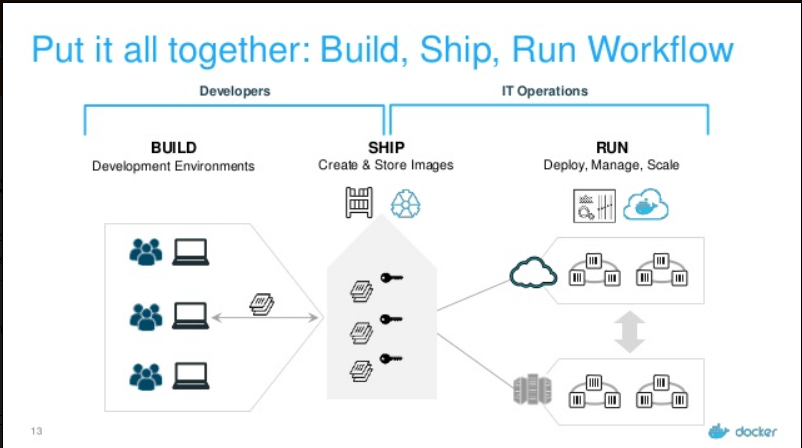
Introduction to Docker. So Why Use Docker?
Have valuable insights to share with the DevOps community? Submit your article for publication.

Get the latest DevOps news, tools, and insights delivered to your inbox.
Made with pure grit © 2026 Jetpack Labs Inc. All rights reserved. www.jetpacklabs.com